Heel Spur: Causes and Modern Treatments
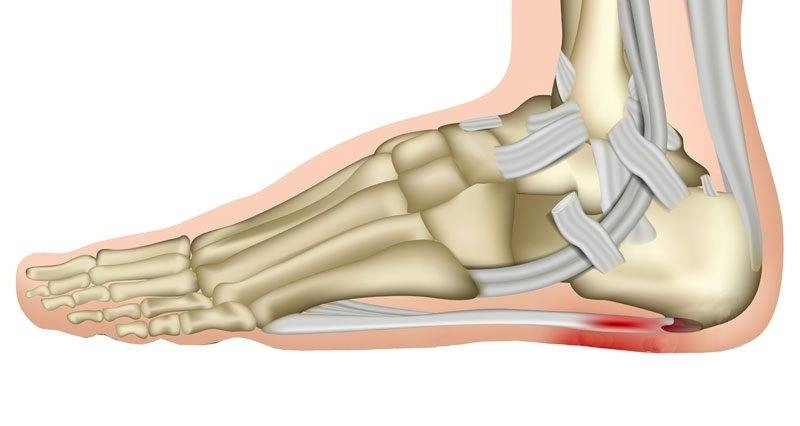
Heel spur, medically known as Plantar Fasciitis, is a common cause of heel pain that can significantly impact quality of life and the ability to walk. Although the term "heel spur" is often used to refer to this pain, the spur itself (a small bony protrusion that grows on the heel bone) may not be the primary cause of pain in most cases. Instead, it's the inflammation affecting the thick band of tissue (the plantar fascia) extending along the bottom of the foot from the heel to the toes.
Causes of Heel Spur
A heel spur (plantar fasciitis) results from repetitive stress and excessive pressure on the plantar fascia, leading to tiny tears and chronic inflammation. The main causes and risk factors include:
- Excess Weight and Obesity: Extra weight places significant pressure on the feet, especially the plantar fascia.
- Prolonged Standing: People whose jobs require standing for long hours (e.g., teachers, factory workers, healthcare professionals) are more prone to developing it.
- Excessive or Sudden Physical Activity: A sudden increase in the intensity or duration of exercise, especially running or long-distance walking on hard surfaces.
- Inappropriate Footwear: Shoes that are too flat or too high-heeled, or shoes lacking adequate arch support.
- Foot Problems: Such as flat feet or excessively high arches, as these deformities affect the pressure distribution on the fascia.
- Tight Calf Muscles or Achilles Tendon: Tightness in these muscles increases tension on the plantar fascia.
- Age: Heel spurs become more common in the 40-60 age group.
Heel Spur Treatment: Focus on Physical Therapy and Modern Methods
Treatment aims to reduce pain and inflammation, improve foot function, and prevent recurrence. In most cases (around 90%), patients respond excellently to non-surgical treatments, especially physical therapy.
1. Physical Therapy: The Cornerstone of Treatment
Physical therapy is an essential and effective component of a heel spur treatment plan, including:
- Stretching Exercises:
- Plantar Fascia Stretch: Pulling toes towards the shin.
- Calf and Achilles Tendon Stretch: Leaning against a wall and pushing the back leg while keeping the heel on the ground.
- These stretches should be performed regularly, especially first thing in the morning and before physical activity.
- Foot and Calf Strengthening Exercises: Strengthening the small muscles in the foot and calf muscles to support the plantar fascia and distribute pressure better.
- Massage and Manual Therapy: Massaging the plantar fascia and calf muscles can help relieve tension and pain.
- Ice Therapy: Applying ice to the heel for 15-20 minutes several times a day to reduce inflammation and pain.
- Night Splints: Worn during sleep to keep the Achilles tendon and plantar fascia in a stretched position, reducing morning pain with the first steps.
2. Modern and Advanced Treatment Modalities:
In addition to physical therapy, several modern methods can be used, especially in cases unresponsive to initial treatment:
- Platelet-Rich Plasma (PRP) Injections: Plasma is extracted from the patient's own blood and injected into the plantar fascia. Plasma contains growth factors that enhance the healing process and tissue regeneration.
- Extracorporeal Shockwave Therapy (ESWT): High-energy sound waves are delivered to the affected heel area. These waves help stimulate the body's natural healing process and break down any calcifications. It's considered an effective option for chronic cases.
- Corticosteroid Injections: Injected into the plantar fascia area to quickly reduce inflammation and pain. However, they are not frequently used due to the potential for long-term tissue weakening or fascia rupture if injections are repeated.
- High-Intensity Laser Therapy (HILT): Uses laser energy to penetrate deep tissues, helping to reduce pain and inflammation and accelerate cellular healing.
- Custom Orthotics: Inserts specially designed to fit the patient's foot shape and provide necessary arch support, reducing pressure on the plantar fascia.
- Surgery: Surgery is a very rare option and is considered a last resort only after all non-surgical treatments have failed for over 6-12 months. Surgery typically involves partially detaching the plantar fascia to relieve tension.
General Tips for Recovery and Prevention:
- Choose Appropriate Footwear: Wear supportive, comfortable shoes with good cushioning and arch support. Avoid walking barefoot or on hard surfaces.
- Weight Loss: If you are overweight, losing a few kilograms can make a significant difference.
- Rest: Avoid activities that increase pain, especially in the initial stages.
- Consistency with Exercises: Adhere to the stretching and strengthening program even after the pain subsides to prevent recurrence.